
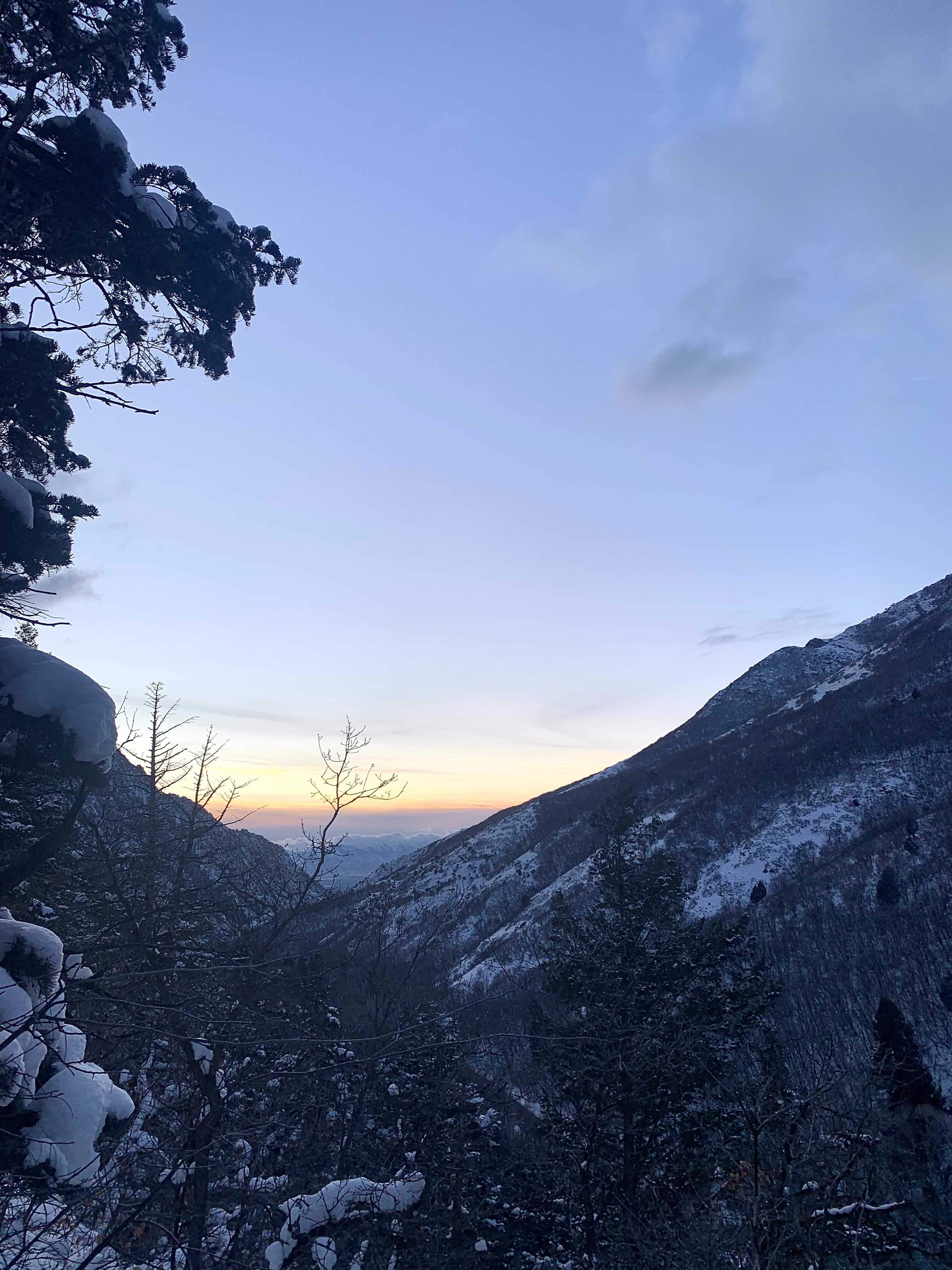
Solar winter will be upon us in just a few short days, and in many places, it feels like winter already. Sport climbers, trad climbers, and hikers alike are all hanging up their gear, with only the ice climbers and alpinists among us preparing for another season of adventure. As we all bundle up and brace for a wave of consumerism, especially in the U.S., it’s easier to become distant from the natural world and the other things that usually ground us. This article includes a few winter cultural holidays, natural events, and coping strategies that can help you stay connected with the universe during these darker days.
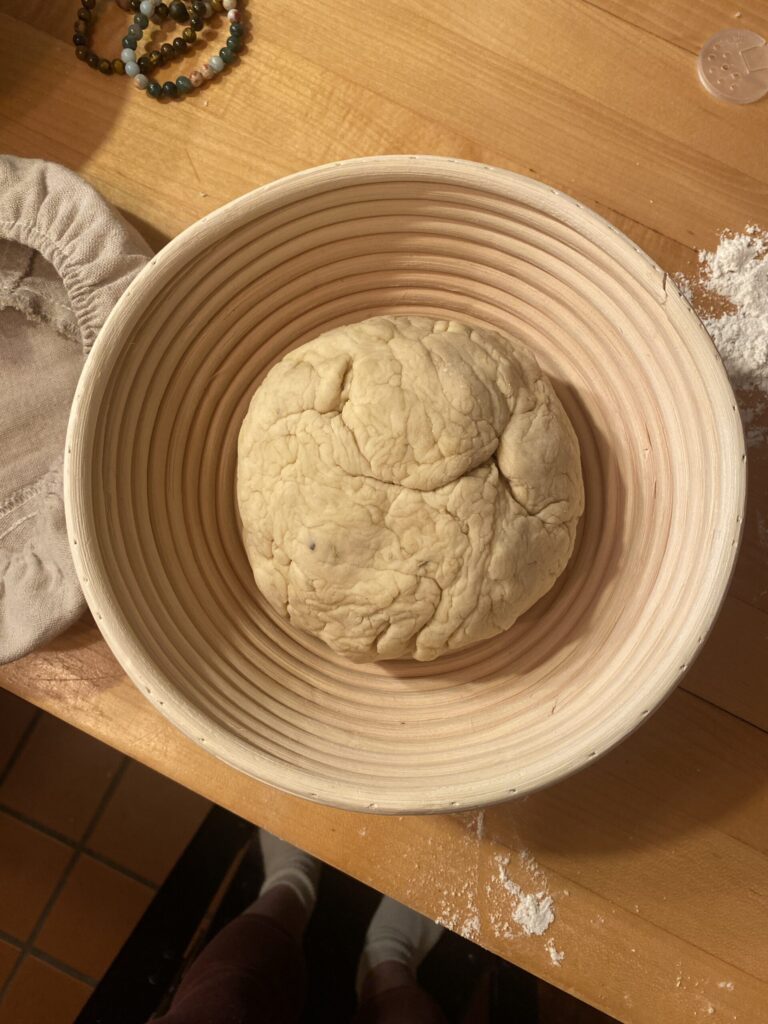
Dough, which would later become rosemary bread, that I crafted last winter to make the most of my time indoors during a cold snap
The Winter Solstice
What it is
The winter solstice, which occurs in December in the northern hemisphere and June in the southern hemisphere, marks the longest night of the year. After the winter solstice, sunlight gradually begins to return, increasing by a few minutes each day. Many cultures celebrate the Winter Solstice as a marker of brighter days ahead, and they gather together to keep each other company during the long night.
In North America, the Winter Solstice is mostly observed by spirituals who self-label as “modern pagans.” It’s a truly global event, though, and is celebrated in countless cultures. This means you can truly make the Winter Solstice your own, reaching for any given tradition that most resonates with you.
In Japan, observers bathe with yuzu (a citrus fruit), Iranians and central Asians celebrate what they call Yalda Night by eating various red foods, and in China and in East Asia, observers feast on a variety of traditional foods depending on their regional culture.

One of the many soups that my partner and I made to celebrate the winter solstice with friends last year (vegan white bean and kale)
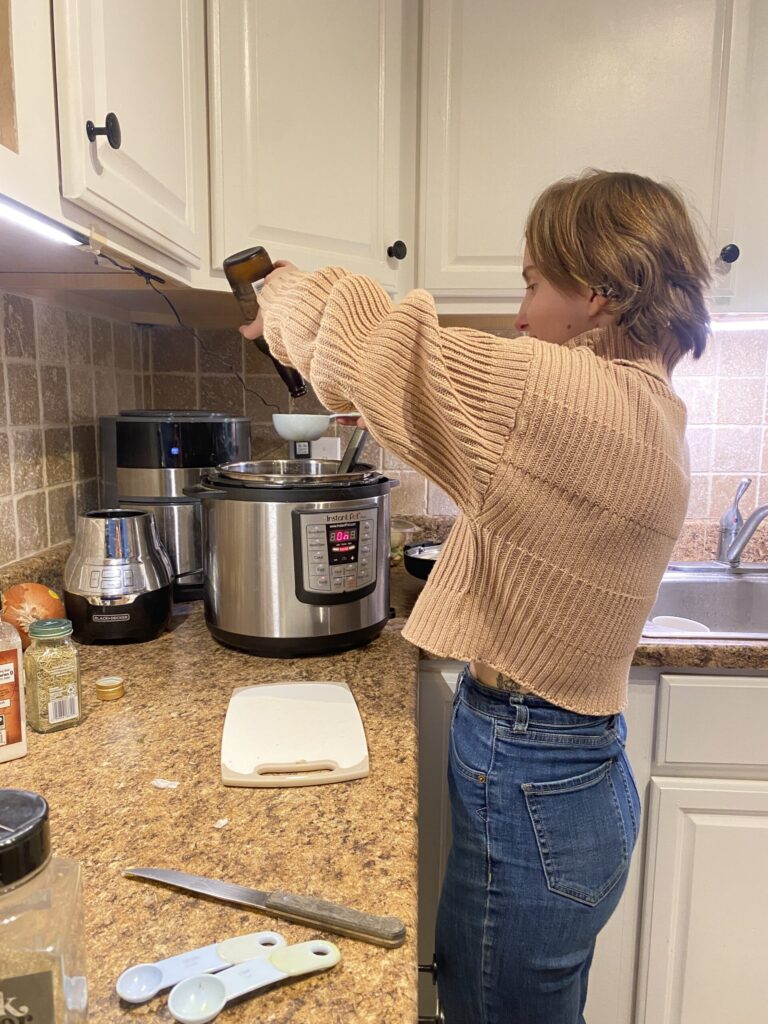
Me carefully adding Guinness to yet another soup we made for last year’s solstice: a “beef” (seitan) stew to celebrate our shared Irish heritage
How to do it
- Gather with loved ones
- Many cultures feast on the solstice—research what foods are traditionally eaten in the geographic and cultural regions that are important to you
- Hold an overnight vigil until first light at sunrise
- Ignite candles to light your way through the darkest night of the year
- There’s a lot of solstice-related poetry out there—find some and take turns reading aloud with friends or family
- Celebrate Yule, which commences on the Winter Solstice (see below)
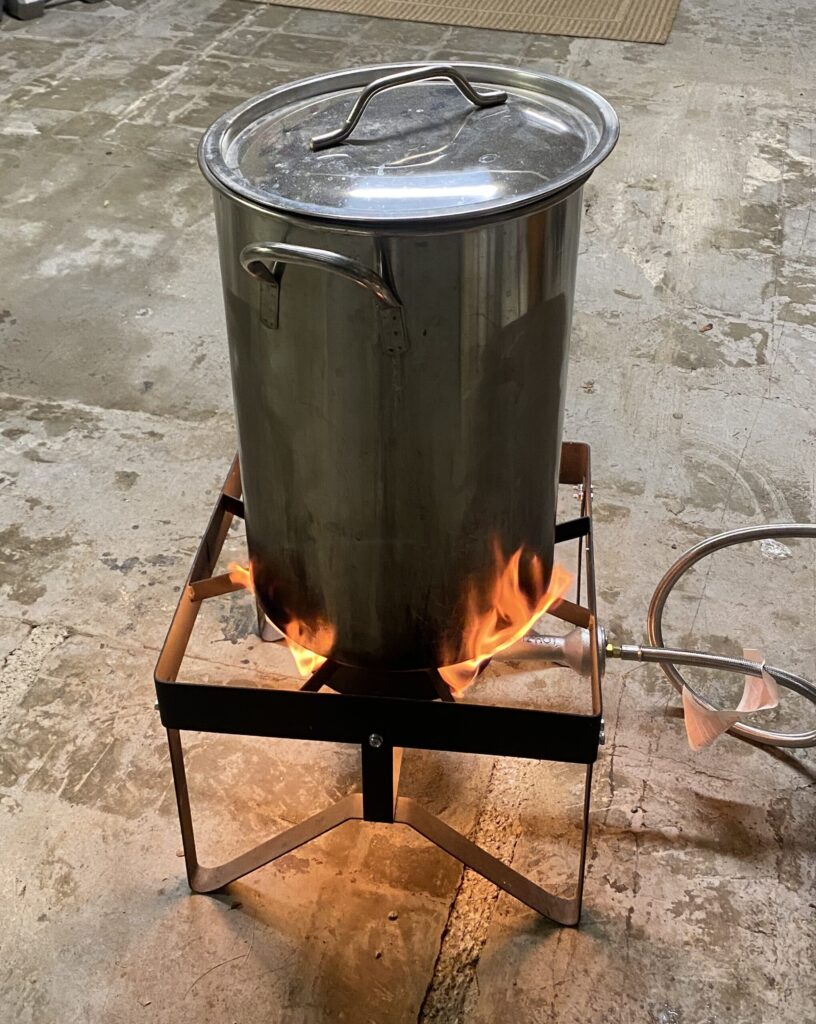
Brewing five gallons of dark ale with my dad in the family basement for this year’s solstice festivities
Yule
What it is
Yule (Jul in Scandinavian languages) is a 12-day holiday originally celebrated by Germanic peoples across northern Europe and by ancient Celtic peoples. Since this holiday was forcibly replaced by Christmas in a number of cultures, many people today view the modern celebration of Yule as a means to reclaim previously-erased traditions and to reconnect with ancient reasons for celebration.
For most modern celebrators, Yule begins on the winter solstice and lasts for twelve days. Like many holidays, though, Yule is a complex blend of many cultures and practices. One of the most widely recognized events of Yule is the Winter Solstice, on which those who observe will often feast, drink warm beverages, and light candles and fires. Observers don’t just keep each other company at the onset of the longest night of the year, but also often will remain awake together all night to celebrate the return of the sun in the morning.
How to do it
- Decorate a Yule Log and burn it
- Make or acquire a Yule Goat, traditionally composed of straw
- Light candles and fires
- Perform release rituals for the new year
- Feast
- Drink hot ciders, mead, beer, and other warming beverages
- In some traditions, each of the twelve days of Yule has a specific meaning or focus. These have historically included subjects such as:
- Members of the community, like “Mother’s Night”
- Different deities from a given tradition
- Various spiritual practices, like meditating or reading
Wintering
What it is
“Wintering” is more of a concept than a specific holiday—and a concept that has existed for as long as there have been seasons on Earth. This specific term was coined by Katherine May in her 2020 book by the same name, in which she reflects on how she has adapted to the literal and proverbial cold seasons in her life. Creatures in nature, May explains, don’t fight against winter. They go through dramatic transformations, they get used to scarcity, they hunker down, and they rest and slow down.
Countless developments in the modern world urge us to resist this transformation, from inventions as simple and ubiquitous as artificial light to concepts as complex as the 9-5 office job. May (and other winterers) encourage us to set these constructs and pressures aside, or at least not let them dictate how we understand our lives, and instead adapt to the seasons with grace, flexibility, and patience.
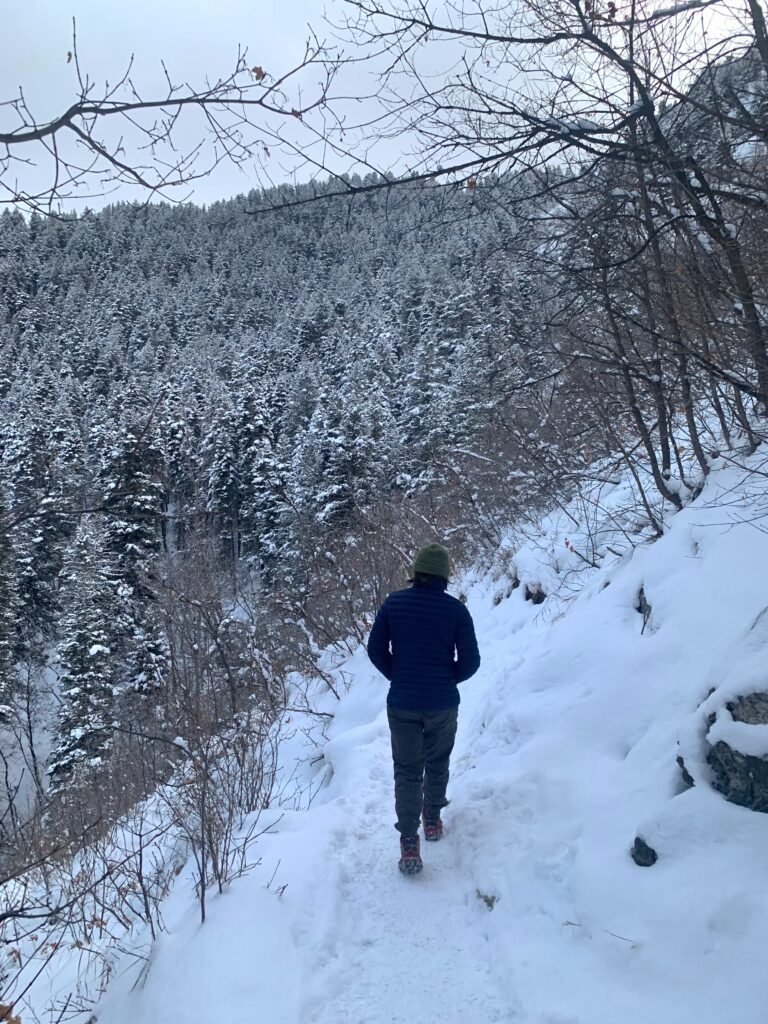
Me, my rented crampons, and my two pairs of pants appreciating Salt Lake City winter for what it is
Kari Leibowitz, PhD (Social Psychology), has multiple writings on this topic, and her books and articles are rich with expert, first-personal research. If the memoir format of Wintering doesn’t resonate with you, I recommend seeking out Leibowitz’s work as well. She spent a full year in Trømso, Norway (above the arctic circle!) to develop her book How to Winter, gathering cultural insight into how we can view winter as a time of “reflection, creativity, and coziness” rather than dreading the cold days (NPR on Leibowitz’s first book).
How to do it
- Allow yourself to slow down and rest
- Draw inspiration from cultures that thrive in wintery climates
- Notice how nature reacts to winter
- Appreciate winter for what it is instead of dreaming of warmer days
- Bundle up and go for a walk or go to the beach in the cold
- If you can, get cozy when the sun goes down instead of forcing yourself to stay busy, and use lamps and candles instead of “the big light”
- Engage in the special activities and rituals that are only possible (or extra possible) in winter
- Bake your favorite foods
- Frolic in the snow
- Read by the fire
Hygge
What it is
Hygge (hoo-guh) is a Danish word that has become both a dearly cherished part of the nation’s character and also conceptually fascinating to the rest of the world. The closest single-word translation of hygge is “cozy,” but the concept is much broader than that.
Hygge isn’t as simple as just “coziness.” Hygge can be seen fleetingly in the things that make us feel cozy: a roaring fire during a snowstorm, thick socks, a warm cup of tea, or time with extended family. Some of the things that really make hygge special, though, are harder to access.
These more difficult-to-attain aspects include a genuine sense of feeling protected from the outside world, sincere relaxation, and often, sharing that sense of well-being with your very closest friends or family. Winter is a unique chance to pursue and embrace these (sometimes) rare feelings, providing us with the circumstances to shelter under shared rooves and ease our busy schedules with leisure.

After long days out in the cold Red Rock Canyon wind, my best friend and I would often retreat to the Vegas suburbs for a decaf latte after the sun went down instead of needlessly returning to our even-colder campground. This small act of indulgence with my bestie is one of my favorite personal examples of hygge
How to do it
- Embrace the “intimate gathering”
- You don’t have to have a million people over or have “something to do;” just spend time together!
- Enjoy a warm beverage
- This includes mulled wine, ciders, teas, and even coffee
- Share beer and wine with dear friends and spend time talking
- Allow yourself to indulge in the special comforts that make you feel safe
- Practice enjoying and even celebrating life’s simple pleasures
Conclusions
Winter is a difficult time for many of us. This annual loss of sunlight is so strongly felt in so many of my personal communities, ranging from groups of avid outdoorspeople to bonds built on shared mental health struggles. I hope this article can bring some light and joy to your chilly season, encouraging you all to chase the warmth of companionship and coziness wherever you can find it.

Sources
Below you can find links to all of the most important research that fueled this article. Sources range from PhD-level scholarship to popular culture threads on Reddit, as all good academic bibliographies should.
- The Winter Solstice
- https://folklorethursday.com/folklife/top-5-winter-solstice-celebrations-around-the-world/
- https://www.mothermag.com/how-to-celebrate-the-winter-solstice/
- Yule
- https://www.britannica.com/topic/Yule-festival
- https://www.reddit.com/r/heathenry/comments/zd8p4b/can_anyone_explain_how_to_celebrate_12_days_of/
- “Wintering”
- https://www.karileibowitz.com/winter-mindset
- https://www.upworthy.com/how-wintering-has-improved-my-mental-health
- Hygge
- https://www.newyorker.com/culture/culture-desk/the-year-of-hygge-the-danish-obsession-with-getting-cozy
- https://denmark.dk/people-and-culture/hygge
Leave a Reply