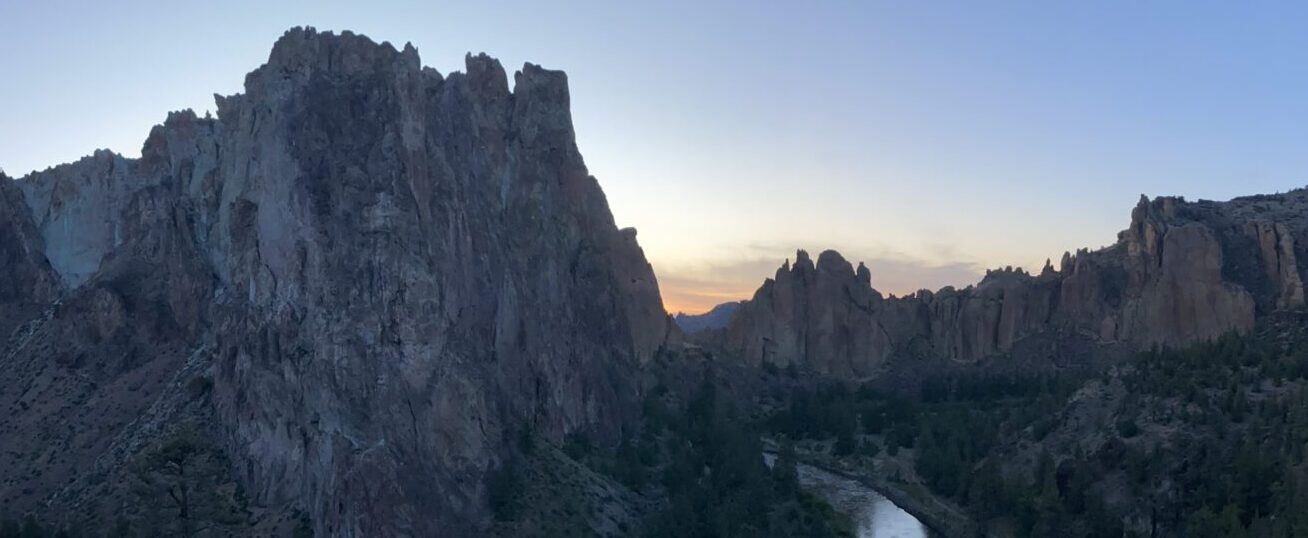
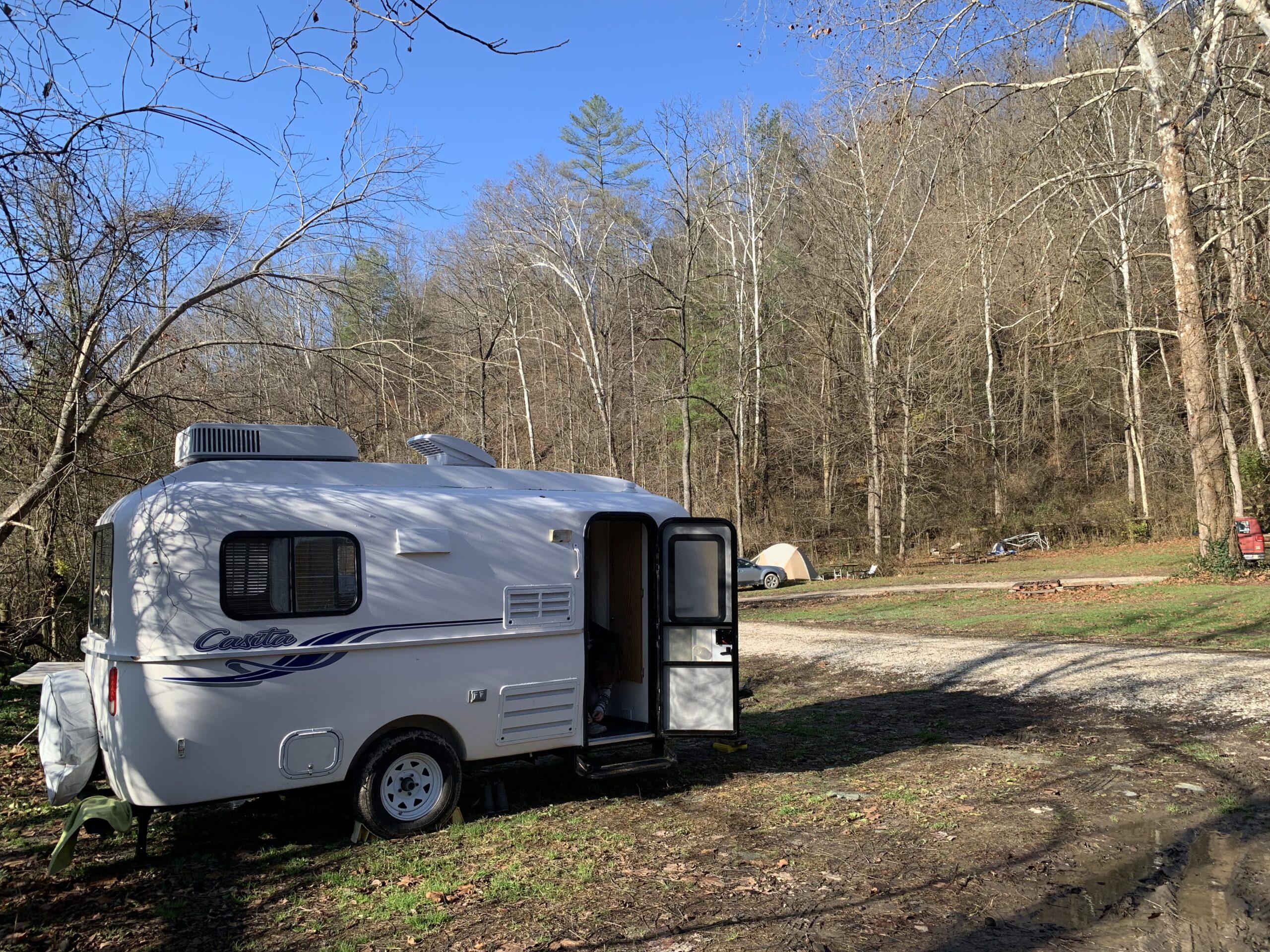
If you care about social justice and have deep community bonds, you know that building those bonds takes time and patience. Breaking those connections is an especially difficult aspect of hitting the road as a nomad. Here are some tips on how I strive to forge new connections, maintain the connections I already have, and make a difference in my temporary communities.
Get involved quickly
Time really flashes by when you travel seasonally. The plan for my first full season in the Red River Gorge was to spend the first two weeks scouting out local volunteer opportunities. If you’re only staying somewhere for two months, though, two weeks can mean a lot…and they’ll be over before you know it.
If I could go back and do things differently, I would research ways to get involved prior to setting out. This would have allowed me to make connections earlier and given me more time to become a part of the community.
As it turns out, the Red River Gorge has tons of options for helping out and making friends. Group priorities range from trail maintenance to conservation to feminism, and include so many more.
Here are some organizations you can connect with in the Red…
…and there are groups just like these in other places, too. It’s all about knowing what you care about and putting in the research to find people with similar values.
Work locally and in-person
This is a step I actually did take while I was in the Red River Gorge, and it was one of the best decisions I made (at least for the lifestyle that I personally wanted). Taking a seasonal job and serving local people was an incredibly fun and meaningful way to contribute to the culture.
You don’t have to take momentous actions in your workplace for this strategy to be worthwhile. Instead, try adorning the front window with “all are welcome” stickers, encouraging your boss to hang up a pride flag (or doing it yourself), and being kind to everyone you serve. Many tiny decisions can add up to make a whole space feel safer.
If you’re comfortable taking bigger steps, talk to your establishment about donating locally, hosting community events, or collaborating with activist groups in the area. Hosting affinity nights, for example, is a great way for a business to help minority groups feel supported. Lending the space for local volunteer group meetings is super helpful, too.
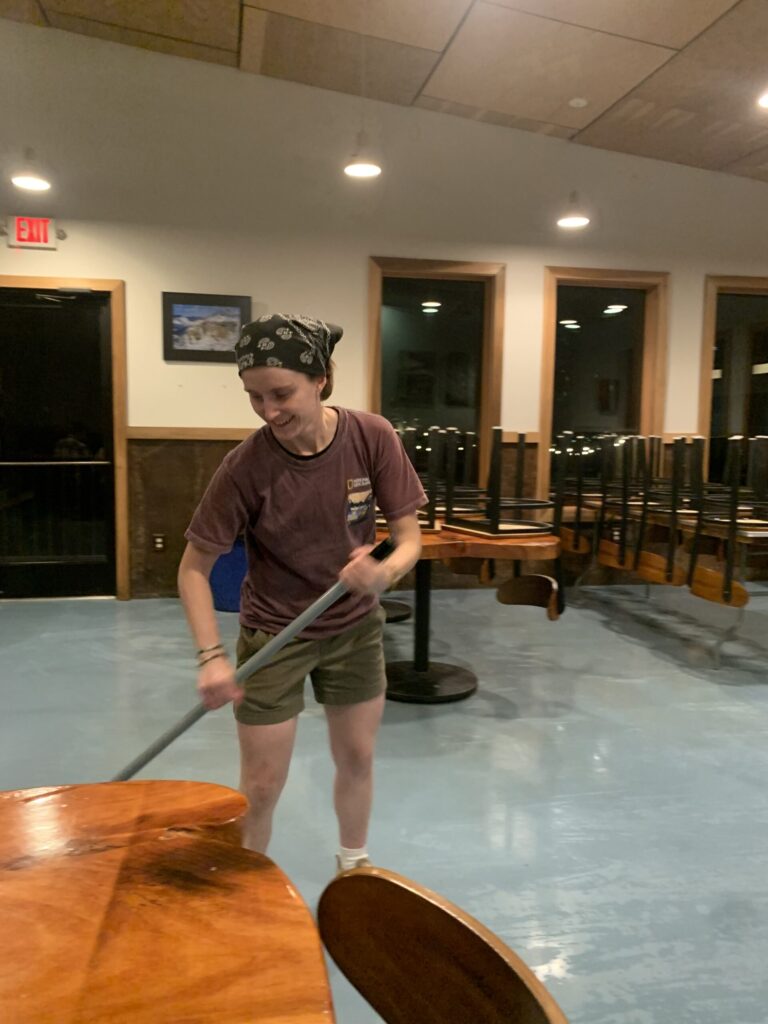
The author hard at work for the locals (and her housing) in the Red River Gorge
I also seasonally coach a youth climbing team whenever I’m back home. I see teaching as a particularly valuable tool for nomads who want to make a difference, since it’s possible to create a lasting impact in a short time. Any form of instruction is a chance to help all of your students, regardless of their differences from you or from one another, feel at home and believe in their own potential for greatness.
Queer people, POC, chronically or mentally ill people, and otherwise minority individuals have an extra important role to play in teaching positions, ensuring that students like them have somebody to look up to. The same goes for women and fem non-binary folks, especially within athletics and similarly male-dominated teaching fields. Seeing you in a position of wisdom and experience, even if only for a season, can change a student’s life.
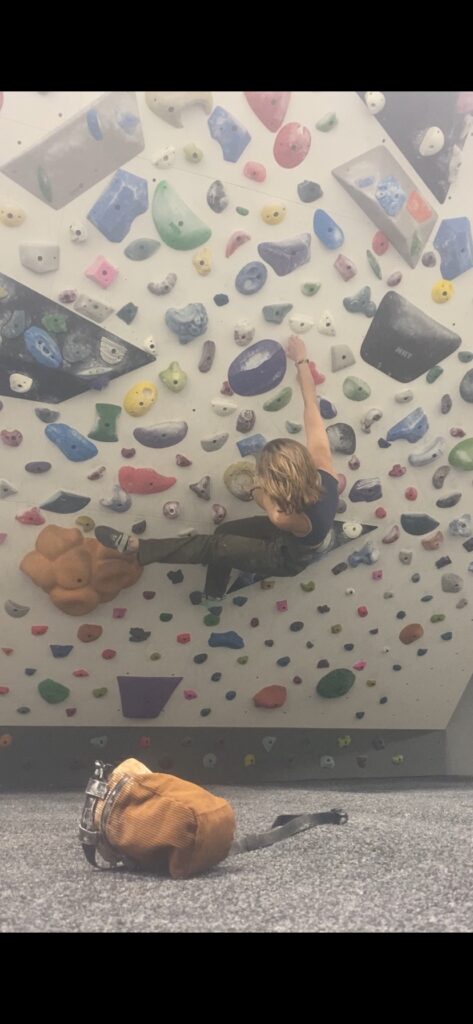
Training hard after work so some of my students might have a cool role model that reminds them of themselves
In short, teaching others is another incredible way to show up for your people as a nomad. Look for short-term tutoring opportunities on Indeed, apply to seasonal coaching jobs if you’re familiar with a sport, or offer lessons in an art or trade.
Working in person is no small adventure. It’s a chance to see real faces almost every single day, interact with locals and learn about their lives, and contribute your personal touch to the culture of a place. That’s a beautiful thing.
Return to the same places
Who says that your path can’t be a circle? For many travelers, from migratory birds to ancient humans to modern nomads, it is. Cycling through places rather than moving on forever creates continuity, both for yourself and for the communities that are important to you.
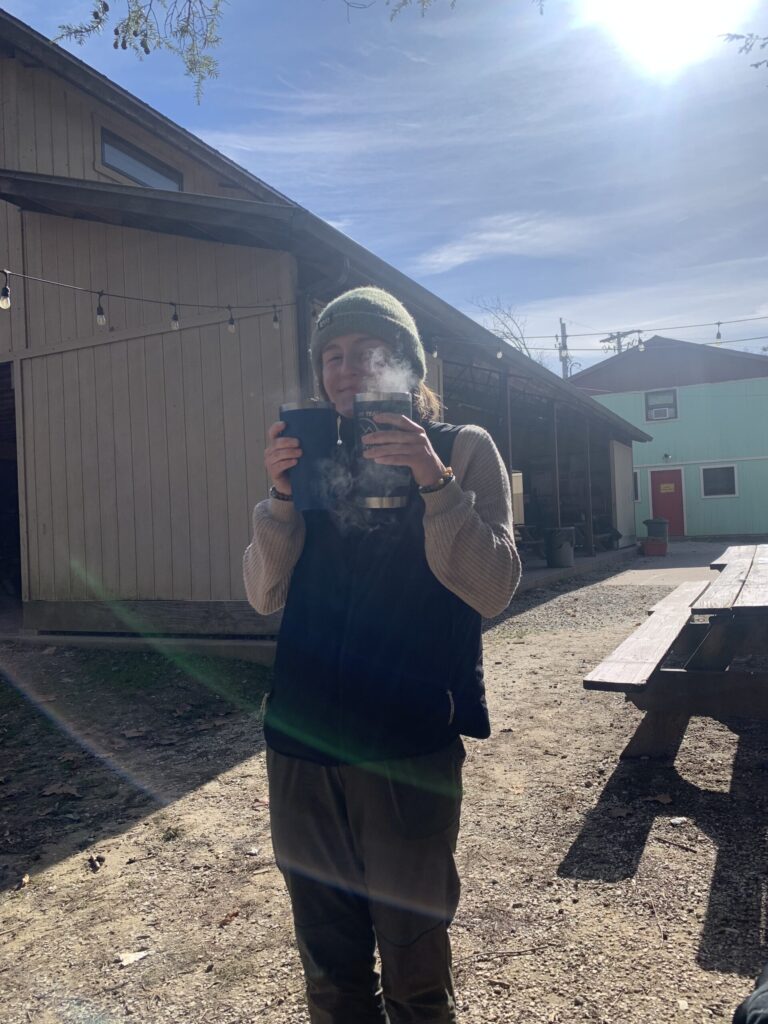
Finding love and comfort in a place we’ve been to five different times
There are countless seasonal circuits in the U.S. and beyond, designed to follow good weather. These circuits range as far north as the Tetons and Banff and often stretch all the way down to climbing crags in Mexico or beaches in SoCal. Each time you return to a town, crag, or campground, you strengthen your connection with any non-nomadic communities that live there. Cycling through a popular van life circuit means that you’ll be moving from place to place with a band of traveling friends, too.
Reinforcing connections through repetition like this both shows others that you care and builds your own confidence. You can always pick up the threads where you left off, developing trust with any organizations you work with and establishing meaningful friendships over time.
Human beings in the Americas have been roaming in circuits for centuries, enjoying these same benefits. In the circuit life, all of your people will either be coming with you or looking forward to your return. Not so bad, right?
Set up (or contribute to) systems that will outlive you
There can be a lot of joy in founding a new movement or organization. If you’re also a traveler, though, remind yourself of the pressures that these founder roles bring and how briefly you’ll be physically present to deal with them. Setting up a movement that might collapse when you move on is not the best way to help a community, even if it feels exciting in the moment.
If you care a lot about a place and really do want to found something special, prepare well for your departure. Get things moving quickly, delegate, and make sure that you have a number of more permanent residents involved. Anything is possible with enough grit, planning, and commitment.
It’s also okay if that isn’t the route you want to take. If it feels overwhelming to attempt to start a feminist book club that will keep reading long after you’re gone, join an existing one instead. If you love the idea of mutual aid but don’t have deep enough community roots to start a new system, go help a group that’s already up-and-running. It’s totally fine–even wise–to donate your time and energy to groups that have already proven they will last.
All of these options are equally valuable, even if in different ways. Everything is situational. Before you act, assess how you can be the most helpful to your communities while also taking good care of yourself.
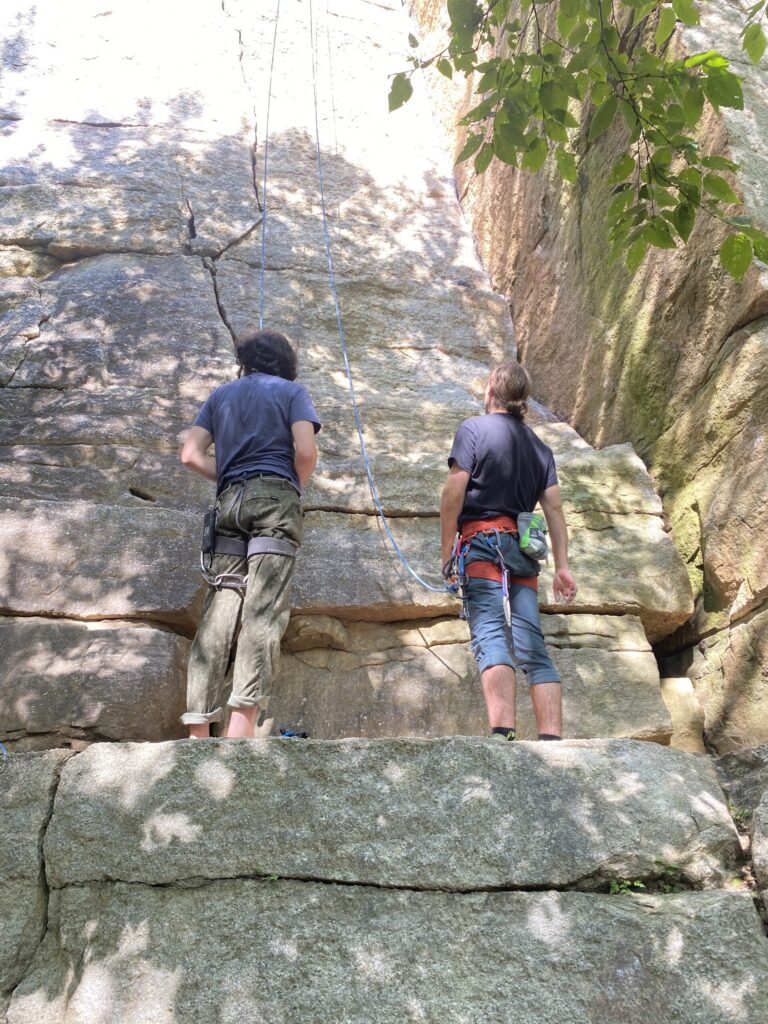
My partner (left) enjoying a day at the Gunks with his best friend (right) during our brief time on the East Coast
Hands-off methods
Showing your face in person is one of the best things you can do for your community. If you want to keep in touch during your time away, though, check out these alternative methods.
Donate (to specific causes)
Donations can have a significant impact, especially on smaller organizations. You can keep supporting the groups you care about by donating monthly amounts to them while you’re out of town. Even very small donations (we’re talking, like, $2 a month) can stack up over time, so don’t be intimidated!
Stay connected on social media
I personally don’t have any social media (aside from the Pinterest page for this magazine), but I know from my activist friends that a lot of organizing happens on these platforms. From Facebook groups to Instagram chats, there are plenty of ways to stay in touch.
Sign petitions or weigh in on group decisions
This goes hand-in-hand with the previous piece of advice. Petitions are circulated online and on social media all the time, meaning that you don’t have to be physically present with a pen to back up a cause. When your organization needs signatures, you can often contribute your name digitally.
If you have enough experience working with a group to be considered a trusted voice, you can also throw in your two cents when polls are posted or when decisions are being made in group chats.
Conclusions
When you ask van lifers what they love most about their lifestyle, they so often reply “the people” or “the community.” It’s not always clear what that really means, though, or what kind of work goes into building those bonds. I hope this article can help you get involved in whatever way feels good for you, ranging from just making friends to making a real, lasting difference. Get out there. Every connection matters.


Leave a Reply